Bone Health
Strong bones are essential to staying active, independent and healthy throughout life. At Waverly Health Center, our Bone Health Department helps patients understand, prevent and manage osteoporosis and other concerns related to bone health. Through personalized treatment plans focused on nutrition, physical activity and medication when needed, we help you strengthen your bones and reduce your risk of fractures.
Osteoporosis can develop without noticeable symptoms, making early evaluation and appropriate treatment important. Whether you have been diagnosed with osteoporosis, experienced a fracture or want to take steps to protect your bone health, our team is here to help you understand your options and create a plan tailored to your needs.

Contact Us
Phone: (319) 987-2361
Fax: (319) 596-4673
Director: Nicole Myers, Chief Clinic Officer
Medical Director: Clay Dahlquist, DO


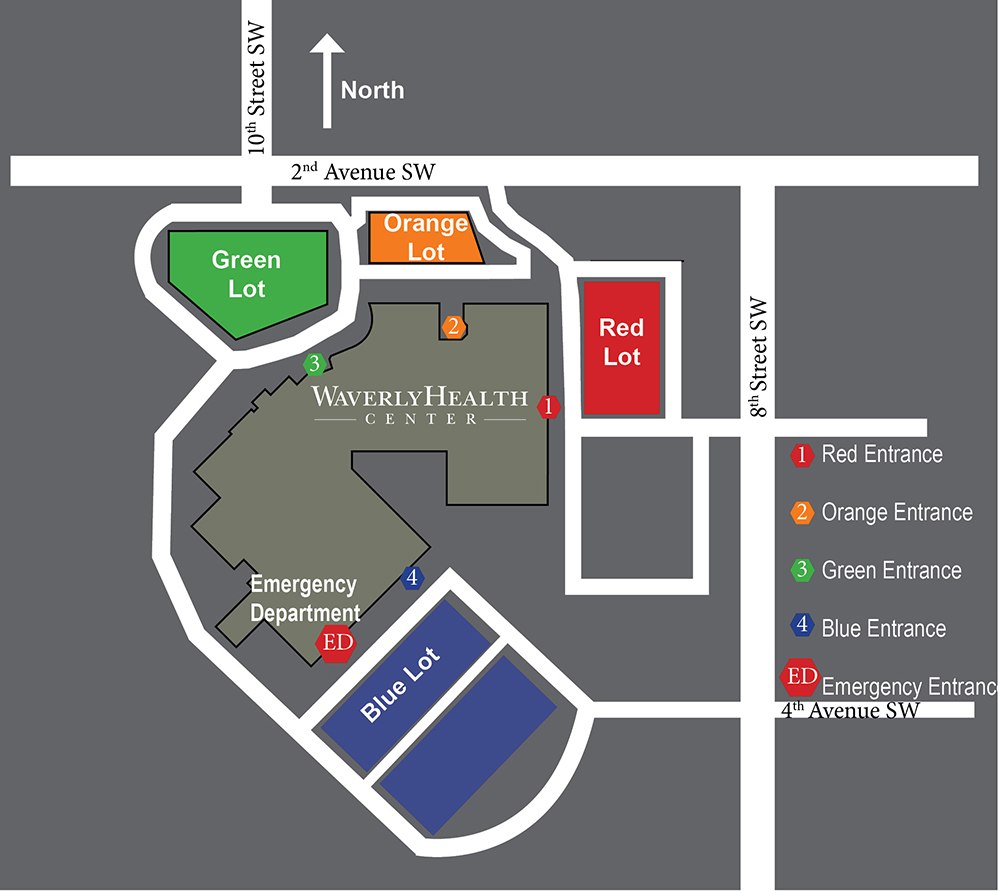
Hours & Location Information
Monday – Friday: 8 a.m. to 4:30 p.m.
Understanding Osteoporosis
Osteoporosis is a condition that causes bones to become weak and fragile, increasing the risk of fractures from falls, minor injuries or, in severe cases, everyday activities. It develops when the body does not make enough new bone, loses too much existing bone or both.
Because osteoporosis may progress without obvious symptoms, understanding your bone health and addressing risk factors are important steps toward preventing fractures. With appropriate care, many patients can manage osteoporosis, protect their remaining bone strength and maintain an active lifestyle.
Building Stronger Bones Through Nutrition and Exercise
Calcium, vitamin D and adequate protein help support healthy bones. A balanced diet, along with supplements when recommended by your healthcare provider, can help ensure your body receives the nutrients it needs to maintain bone strength. Our approach to bone health emphasizes practical, sustainable habits that support your overall well-being.
Exercise and Fall Prevention
Weight-bearing activities, such as walking and dancing, and muscle-strengthening exercises help maintain bone strength, mobility and balance. Activities should be appropriate for your abilities and safety. When needed, physical therapy can help you develop an individualized exercise plan.
Personalized Osteoporosis Treatment
Osteoporosis treatment is tailored to each patient’s bone health, fracture risk and individual needs. Combining healthy lifestyle habits with prescription medication when appropriate can help preserve existing bone, build new bone and reduce the risk of future fractures.
Treatment Options May Include:
- Antiresorptive medications: Help slow bone loss and preserve existing bone.
- Bone-building medications: Stimulate new bone formation for patients who may benefit from more intensive treatment.
- Oral medications, injections and infusions: Offer different treatment approaches based on your health needs and treatment plan.
- Ongoing monitoring and guidance: Help ensure your treatment continues to meet your needs over time.
Our Providers

Frequently Asked Questions
What is osteoporosis?
Osteoporosis is a condition that causes bones to become weak and fragile, increasing the risk of fractures. It develops when the body loses too much bone, does not make enough new bone or both. Because osteoporosis often has no noticeable symptoms in its early stages, understanding your risk and seeking appropriate evaluation are important for protecting your bone health.
How do I know if I have osteoporosis?
Osteoporosis can develop without pain or other obvious symptoms until a fracture occurs. Your healthcare provider can evaluate your risk factors and determine whether bone density testing or other assessments are appropriate. A history of fractures, advancing age and certain medical conditions or medications may increase your risk.
Can osteoporosis be prevented or treated?
Although osteoporosis cannot always be prevented, steps can be taken to support bone health and reduce fracture risk. Adequate calcium, vitamin D and protein, regular weight-bearing exercise and muscle-strengthening activities all play important roles. For patients at increased risk of fractures, prescription medications can help preserve or build bone and reduce the likelihood of future fractures.
What foods and nutrients help keep bones strong?
Calcium, vitamin D and protein are essential for maintaining healthy bones. Calcium-rich foods include dairy products, fortified foods and certain leafy green vegetables. Vitamin D helps the body absorb calcium, while protein supports bone and muscle health. Your healthcare provider can help determine whether dietary changes or supplements may be beneficial based on your individual needs.
What types of exercise are best for bone health?
Weight-bearing activities, such as walking, dancing and climbing stairs, help support bone strength. Muscle-strengthening exercises using weights, resistance bands or body weight can also help maintain strength and balance. The best activities depend on your current health, mobility and fracture risk. Your healthcare provider or a physical therapist can help you develop a safe, personalized exercise plan.
What treatment options are available for osteoporosis?
Osteoporosis treatment may include nutrition and lifestyle changes, fall-prevention strategies and prescription medications when appropriate. Some medications help slow bone loss, while others stimulate new bone formation. Treatment may be given as a pill, injection or intravenous infusion. Your healthcare provider can recommend an approach based on your bone health, fracture risk and individual medical needs.
Does osteoporosis require lifelong treatment?
Osteoporosis is generally a long-term condition that requires ongoing management. Some medications are used for a defined period, followed by a treatment break or a change in medication, while others require continued treatment to maintain their benefits. Your healthcare provider will monitor your bone health and help determine the most appropriate treatment plan over time.